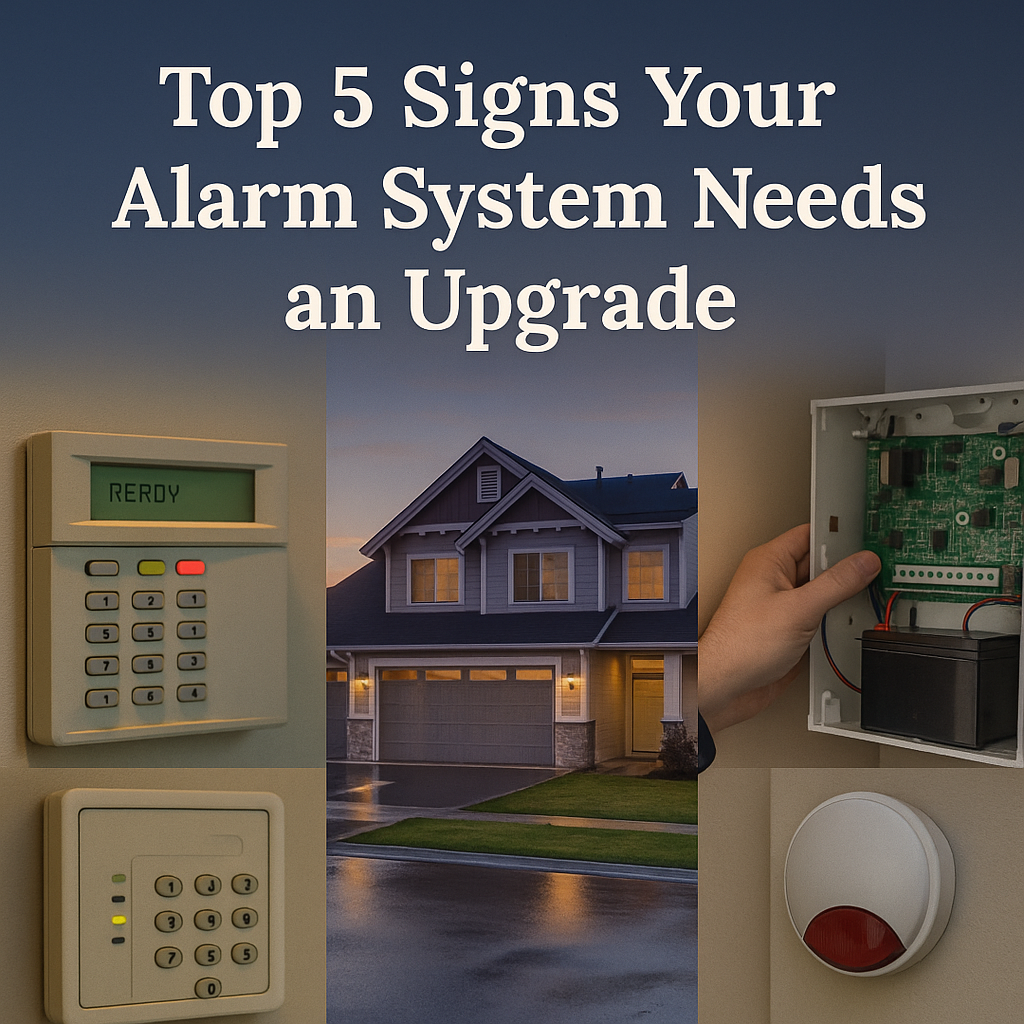
Top 5 Signs Your Alarm System Needs an Upgrade
When reliable becomes risky — here’s how to know it’s time for a modern solution.
Your home alarm system might have served you well for years, faithfully guarding your family and property. But like any piece of technology, security systems don’t last forever. Over time, sensors age, communication methods become outdated, and performance can decline without you realising it.
At Helderberg Security Services, we often meet homeowners in Somerset West, Strand, and Gordon’s Bay who only discover their system’s weaknesses after it fails — a false alarm, a missed trigger, or a power cut that knocks it offline.
If you’re wondering whether it’s time to upgrade, here are the five clearest signs your alarm system may be past its prime — and how modern technology can restore your peace of mind.
1. Frequent False Alarms or Missed Triggers
If your alarm has started crying wolf — or worse, staying silent when it shouldn’t — it’s a strong indicator of ageing or faulty components.
Common causes include:
- Motion sensors that have collected dust or moisture.
- Loose or corroded wiring.
- Outdated calibration that struggles with temperature or movement sensitivity.
- Failing batteries in sensors or control panels.
These issues cause irregular readings, resulting in false alarms or missed detections. Modern systems use dual-technology sensors (infrared and microwave) that intelligently distinguish between people, pets, and harmless motion.
With accurate detection and better stability, you’ll eliminate nuisance alarms and restore confidence in your system’s reliability.
2. Outdated Communication: PSTN vs GSM and IP
Many older alarms still rely on traditional landline (PSTN) communication to send signals to monitoring centres. This technology is now obsolete and unreliable for several reasons:
- Load-shedding: Power cuts can disable landline-based systems instantly.
- Cable theft: If your line is cut, your system can’t report emergencies.
- Network upgrades: Telecom providers are phasing out analogue phone lines nationwide.
Modern alarms use GSM, LTE, or IP (internet-based) communication — far more secure and resilient against interruptions. These systems transmit encrypted signals over cellular networks and can continue working even during blackouts.
Switching to a GSM-enabled system ensures that your alarm stays connected no matter what’s happening in the neighbourhood or power grid.
➡️ Professionally installed Alarm Systems Helderberg use advanced GSM and fibre communication to keep you protected 24/7 — without the vulnerabilities of outdated phone lines.
3. No Mobile App or Remote Access
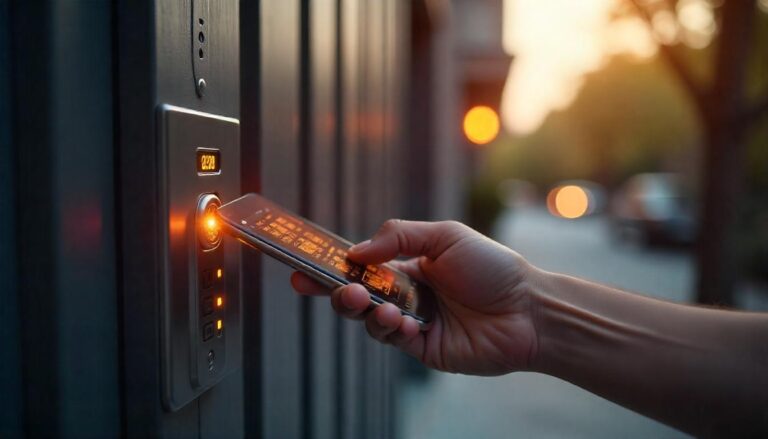
If your alarm system can’t communicate with your smartphone, it’s missing one of the biggest advancements in modern home security: remote control and instant alerts.
With mobile integration, you can:
- Arm or disarm your system from anywhere.
- Receive push notifications the moment your alarm triggers.
- View entry logs to track who’s entering or leaving.
- Combine your alarm with CCTV footage for instant verification.
Mobile control is not just convenient — it’s a major step forward in response time and accountability.
➡️ Upgrade to smart Home Automation Helderberg solutions to integrate your alarm with cameras, lighting, and access systems — all controlled through a single app.
4. Your Equipment Looks (and Sounds) Old
If your keypad is yellowed, your siren sounds like a dial-up modem, or your sensors look like they’ve seen the 1990s — your system may be doing more harm than good.
Older hardware often lacks:
- Support from manufacturers or spare parts.
- Compatibility with newer networks and monitoring systems.
- Energy efficiency or reliable backup power.
- Modern encryption and tamper protection.
Aside from performance, aesthetics also matter — a clean, modern security panel gives users (and potential intruders) the clear message that your property is up to date and actively protected.
Modern alarm panels feature touchscreen interfaces, sleek sensors, and wireless modules that blend seamlessly into any home environment.
5. No Integration with CCTV or Smart Devices
Today’s home security systems are designed to work as a connected ecosystem — not as isolated devices.
Older systems can only sound a siren. Newer ones can coordinate an entire response:
- Trigger your CCTV cameras to record instantly.
- Switch on outdoor lights automatically.
- Notify your security company with detailed alerts.
- Allow you to view live footage on your phone before deciding what to do next.
This integration creates what’s known as layered security — multiple systems working together to reduce response time and improve accuracy.
➡️ Our integrated Alarm Systems Helderberg work hand-in-hand with CCTV and smart access tools, providing a seamless and proactive defence for your home.
Bonus: Your Alarm Can’t Handle Load-Shedding
Many older alarms weren’t designed for South Africa’s power challenges. Limited backup batteries, weak transformers, or lack of surge protection can cause systems to shut down completely during load-shedding.
A modern upgrade includes:
- Longer-lasting batteries with quick recharge capability.
- Energy-efficient sensors that reduce power consumption.
- Surge-protected circuits to prevent damage during power spikes.
These features ensure your security system works when you need it most — even in darkness.
The Hidden Cost of Outdated Systems
Keeping an old alarm might seem cheaper, but over time it can cost you more in:
- Frequent callouts and maintenance.
- Replacement of obsolete parts.
- Higher insurance premiums (some insurers won’t recognise outdated systems).
- The risk of a system failure when it matters most.
An upgrade isn’t just about better technology — it’s about long-term savings, reliability, and peace of mind.
Choosing the Right Partner for Your Upgrade
Helderberg homeowners have unique needs: varying property layouts, salt air, and frequent power fluctuations all affect how systems perform.
At Helderberg Security Services, we specialise in:
- Assessing your current system’s health and compatibility.
- Replacing or integrating modern hardware without full reinstallation.
- Upgrading communication from PSTN to GSM or IP.
- Configuring smart access, app control, and CCTV integration.
- Offering maintenance plans for long-term reliability.
Every upgrade is customised to your property, ensuring you get maximum security with minimal disruption.
Modern Protection for Modern Living
Technology moves fast — and in home security, staying current isn’t about chasing trends; it’s about maintaining safety, efficiency, and confidence.
A reliable alarm should protect you seamlessly, not frustrate you with false alerts, outdated wiring, or power failures. If your system shows any of these five warning signs, it’s time to talk to a professional about an upgrade.
Contact Helderberg Security Services today to schedule a free system evaluation and discover how modern security technology can protect your home more intelligently, efficiently, and affordably.