Understanding False Alarms: Causes, Fixes, and How to Prevent Them
Why your alarm sometimes triggers without reason — and how to keep it reliable.
There’s nothing more unsettling than an alarm going off unexpectedly in the middle of the night — only to find no sign of intrusion. False alarms are frustrating, disruptive, and can sometimes make homeowners question the reliability of their security system. But here’s the truth: false alarms are common and preventable, and understanding what causes them is the first step to avoiding them.
At Helderberg Security Services, we’ve helped countless homeowners across Somerset West, Strand, and Gordon’s Bay identify and fix the real reasons behind false triggers. In most cases, it’s not about faulty technology — it’s about fine-tuning and maintenance.
1. Why False Alarms Matter
A false alarm might seem like a small inconvenience, but over time, repeated incidents can cause real issues:
- Unnecessary stress: Constant alerts can cause anxiety and disrupt your sleep or work.
- Response fatigue: Frequent false triggers may lead you or your monitoring centre to ignore genuine alarms.
- Financial penalties: Some municipalities or private response services charge call-out fees for repeated false activations.
- System distrust: If an alarm cries wolf too often, homeowners may be tempted to leave it disarmed — which defeats its purpose entirely.
The good news is that most false alarms are easy to diagnose and even easier to prevent once you understand their cause.
2. Common Causes of False Alarms
False alarms can occur for several reasons — from environmental factors to minor user errors. Here are the most frequent culprits our technicians encounter:
a) Faulty or Aged Sensors
Over time, sensors collect dust or moisture, which can interfere with their accuracy. Older equipment may also develop corrosion or lose calibration, leading to false motion detection.
b) Loose Wiring or Power Fluctuations
South Africa’s frequent load-shedding and power surges can loosen wiring connections or cause irregular voltage, making sensors misfire when power is restored.
c) Insects and Small Animals
A spider spinning a web in front of a motion detector is one of the most common (and surprising) causes of false alarms. Moths or small lizards can also trigger infrared sensors.
d) User Error
Many false alerts occur simply because someone forgets to disarm the system before entering — or doesn’t wait long enough when leaving. New users or domestic staff unfamiliar with alarm procedures are often to blame.
e) Environmental Movement
Curtains moving in a breeze, open windows, or even ceiling fans can trick motion sensors into detecting movement.
f) Low Batteries or Weak Signal
Dying batteries can cause unstable voltage and random sensor activations. Wireless systems, in particular, rely on consistent power and signal strength.
Each of these issues has a straightforward solution — especially when identified early through regular inspection.
3. Diagnosing the Problem
If your alarm keeps triggering unexpectedly, here’s how to start narrowing it down:
- Check the zone indicator or alarm log. Most modern panels display which area triggered the alarm.
- Inspect that area. Look for moving objects, open windows, or loose sensors.
- Test the sensors. Arm your system and walk through zones to see if any sensors respond abnormally.
- Review power sources. Check for recent load-shedding, loose wiring, or weak batteries.
- Reset the system. Sometimes, a power cycle or full reset clears false triggers.
If the problem persists, it’s best to call a professional. Helderberg Security technicians use diagnostic tools to pinpoint faults in wiring, sensors, or signal strength — and correct them safely.
4. The Role of Professional Installation
A well-installed alarm system rarely suffers from chronic false alarms. In most cases, persistent issues trace back to incorrect sensor placement or setup.
Professionally installed systems minimise false alerts by:
- Calibrating sensors correctly for the environment.
- Positioning detectors away from heat sources, windows, and moving objects.
- Ensuring wiring and power supply are surge-protected.
- Configuring proper delay and sensitivity settings for pets or high-traffic areas.
➡️ Professionally designed Alarm Systems Helderberg detect genuine threats — not passing shadows or insects.
5. Maintenance: The Secret to Reliability
Even the best alarm systems need routine care. Dust, moisture, and changing weather can all affect sensor performance over time.
Here’s a basic maintenance plan:
- Clean sensors quarterly. Use a soft cloth or compressed air to remove dust and cobwebs.
- Replace batteries every 12–24 months. Weak batteries cause irregular signals.
- Check zones annually. Walk-test each detector to ensure it triggers correctly.
- Schedule a professional inspection every year. A technician can recalibrate sensitivity and verify wiring integrity.
Helderberg Security offers preventative maintenance services for both new and existing systems — ensuring accuracy and longevity.
6. Modern Technology: Smarter, Fewer False Alarms
Alarm systems have evolved significantly. Modern systems use intelligent sensors that distinguish between harmless movement and real intrusion.
Some advanced features include:
- Dual-technology sensors: Combine infrared and microwave detection to verify real movement.
- Pet-immune sensors: Ignore small animals while maintaining perimeter protection.
- AI motion analytics: Learn normal movement patterns to filter out repetitive non-threats.
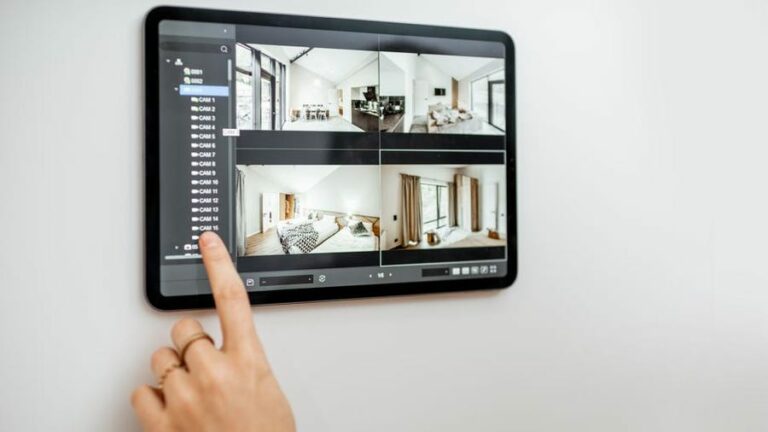
- Mobile integration: Verify alerts instantly via live CCTV or app notifications.
These innovations have drastically reduced false alarm rates — especially when paired with remote monitoring or smart home integration.
7. Preventative Tips for Homeowners
Small habits make a big difference. Use these everyday practices to reduce false alarms at home:
✅ Secure doors and windows properly before arming the system.
✅ Avoid hanging décor or curtains near motion sensors.
✅ Train staff and family members on correct arming/disarming procedures.
✅ Keep sensors clear of insects, dust, or nearby fans.
✅ Use surge protection to stabilise power during load-shedding.
✅ Schedule routine system tests every few months.
These simple steps ensure your alarm performs when it matters most.
8. How Helderberg Security Can Help
Our technicians are trained to go beyond quick fixes — we find the root cause of every issue.
Helderberg Security offers:
- Full alarm diagnostics and recalibration.
- Professional system upgrades for aging equipment.
- Power surge and load-shedding protection.
- 24/7 technical support for monitored systems.
- Preventative maintenance contracts for ongoing reliability.
Whether you need a quick fix or a full upgrade, our goal is to deliver precision, stability, and trust in every installation.
9. The Bigger Picture: Confidence in Your System
False alarms are more than just noise — they’re a sign that your system needs attention. Addressing them promptly ensures your alarm remains a reliable line of defence.
A well-maintained system protects your family and property without interruption — silently doing its job day after day.
Helderberg Security’s team combines technical knowledge with local experience, ensuring your system performs optimally even through Helderberg’s unique coastal conditions and power fluctuations.
10. Conclusion – Accuracy Equals Trust
A good alarm should never make you doubt it.
By understanding what causes false alarms — and partnering with a professional installer who knows how to prevent them — you can restore complete confidence in your home’s protection.
Reliable security doesn’t happen by accident; it’s built through knowledge, maintenance, and expert support.
Contact Helderberg Security Services today for a system health check or upgrade — and enjoy the peace of mind that comes with a perfectly tuned alarm system.