Alarm Systems Somerset West: A Practical Guide Security in Somerset West is about layered protection that still fits daily life. This guide shows homeowners, estates/HOAs, and small businesses how to specify an alarm that actually works in Helderberg conditions—wind, salt air, and load-shedding included. Why Alarms Still Matter in Somerset West Cameras show you what happened; alarms stop it getting worse. A well-planned system: Deters with sirens, strobes and signage. Detects early (especially outdoors) so you react before a door is forced. Documents events for insurers and estate managers. Integrates with access control and CCTV for a single view of risk. The biggest gains locally come from outdoor early warning, reliable backup power, and clean user management (who armed, when, and why). The Right Spec: Panels, Zones, and Sensors Control panel: Choose a hybrid panel (wired + wireless) so you can add devices later without re-cabling. Keypads & partitions: One keypad near the usual exit; add a second by the master bedroom. Use partitions for Granny flats, offices, or staff quarters. Zones that matter most locally: Perimeter reeds on doors & windows you actually open. Indoor PIRs for passages and living areas (pet-immune where needed). Outdoor passives/beams for patios, side paths and approach routes. Panic: fixed panic buttons where people gather at night; optional remote panic on selected remotes. Siren strategy: One internal, one external, both tamper-proof and audible from the street without becoming a neighbourhood nuisance. Tip: map zones in plain language (“Kitchen back door reed”) so fault-finding is instant. Outdoor Beams that Reduce False Alarms Cape winds and moving foliage cause most nuisance triggers. The fix is correct device choice and placement, not turning sensitivity down. Dual-tech outdoor PIRs resist thermal shifts from wind. Dual-beam photo-electrics across known approach paths (driveway, patio edge, side gate). Creep-zone coverage near walls to catch someone under a sensor. Mounting heights per the datasheet (often 0.8–1.2 m for beams; ±2.2 m for PIRs). Avoid pointing at shrubs, flapping shade cloth, or reflective pools. Test in the windiest conditions you expect; tune now, not after a bad night. Result: fewer false alarms, earlier warnings, calmer user behaviour. Load-Shedding: Battery/UPS Sizing that Works During outages, the alarm must keep running—and reporting. List device draw (panel, keypads, siren standby, communicators, wireless receivers). Convert to amps (e.g., 420 mA = 0.42 A). Runtime rule of thumb: Runtime (hours) ≈ (Battery Ah × 0.7) ÷ (Total A) The 0.7 factor allows for battery efficiency and age. Choose the battery to cover your longest expected outage with margin. Small homes: 7–9 Ah often gives 4–6 h depending on load. Larger systems or frequent Stage 4–6: 12–18 Ah or an external DC UPS. Siren policy: Long siren blasts drain batteries. Use sensible siren time-outs and rely on armed response for follow-through. Option: Solar trickle or AC-coupled charger for rural gates/outbuildings. Protect chargers and batteries from heat; replace tired batteries proactively (18–36 months depending on cycles). Smart App Control, Users, and Monitoring A good app reduces confusion and speeds response. Named users & partitions: see exactly who armed/disarmed and when. Push alerts for meaningful events (power fail, alarm, panic). Geo-reminders to arm as you leave. Temporary codes for contractors or short-let guests, then revoke. Professional monitoring integrates armed response, ensuring incidents escalate beyond a phone buzz. When you’re ready to implement or upgrade, book a survey through Alarm System Installation Somerset West for a specification aligned to your property and risk profile. Professional Installation & POPIA Basics Correct cabling, earth bonding, surge protection and tamper loops aren’t nice-to-haves; they are the difference between a system that lasts and one that fails silently. POPIA (practical, not legal advice): Display clear signage where required (especially if integrated with CCTV). Maintain an access log for who can view logs or change users. Keep event histories (arming, alarms, panics) for reasonable periods. Limit admin privileges to trusted people; rotate passwords when staff change. What to Expect from a Site Survey (Checklist) A proper survey should deliver a clear, itemised plan rather than a box-of-parts quote. Risk review (recent incidents, travel patterns, quiet times). Floor plan with zone map (doors, windows, indoor PIRs). Outdoor approach mapping with beams/dual-tech PIRs. Cable routes and surge/lightning considerations. Battery/UPS calculation and placement. App features & user policy (who gets access to what). Integration options with CCTV and gate control. Maintenance plan (battery replacement, sensor cleaning, annual test). At-a-Glance Checklist Hybrid panel with spare capacity Named users, partitions where needed Outdoor beams on patio + side path Door/window reeds on actual entry points Internal + external siren, tamper-proof Battery/UPS sized for worst-case outage App with 2FA; alerts for power fail & alarms Professional monitoring and panic options POPIA signage + access controls for logs Annual service and battery replacement cycle FAQs How many outdoor devices do I need for a typical family home? Usually 2–4 beams/PIRs: driveway/patio and at least one side path. Add more for large gardens or multiple entrances. Can pets live with a modern alarm? Yes—use pet-immune PIRs, mount correctly, and prefer outdoor early warning so indoor PIRs can be less sensitive. Will my alarm keep working through Stage 6 load-shedding? If battery/UPS is sized correctly, yes. We calculate runtime against your device load during the survey. Do I need monitoring if I have a loud siren and cameras? Monitoring adds human escalation and armed response—vital when you’re away or asleep. Cameras alone don’t summon help. Can I add wireless sensors to an old wired panel? Often, yes. A wireless expander or a panel upgrade gives you flexibility without re-cabling the whole house.

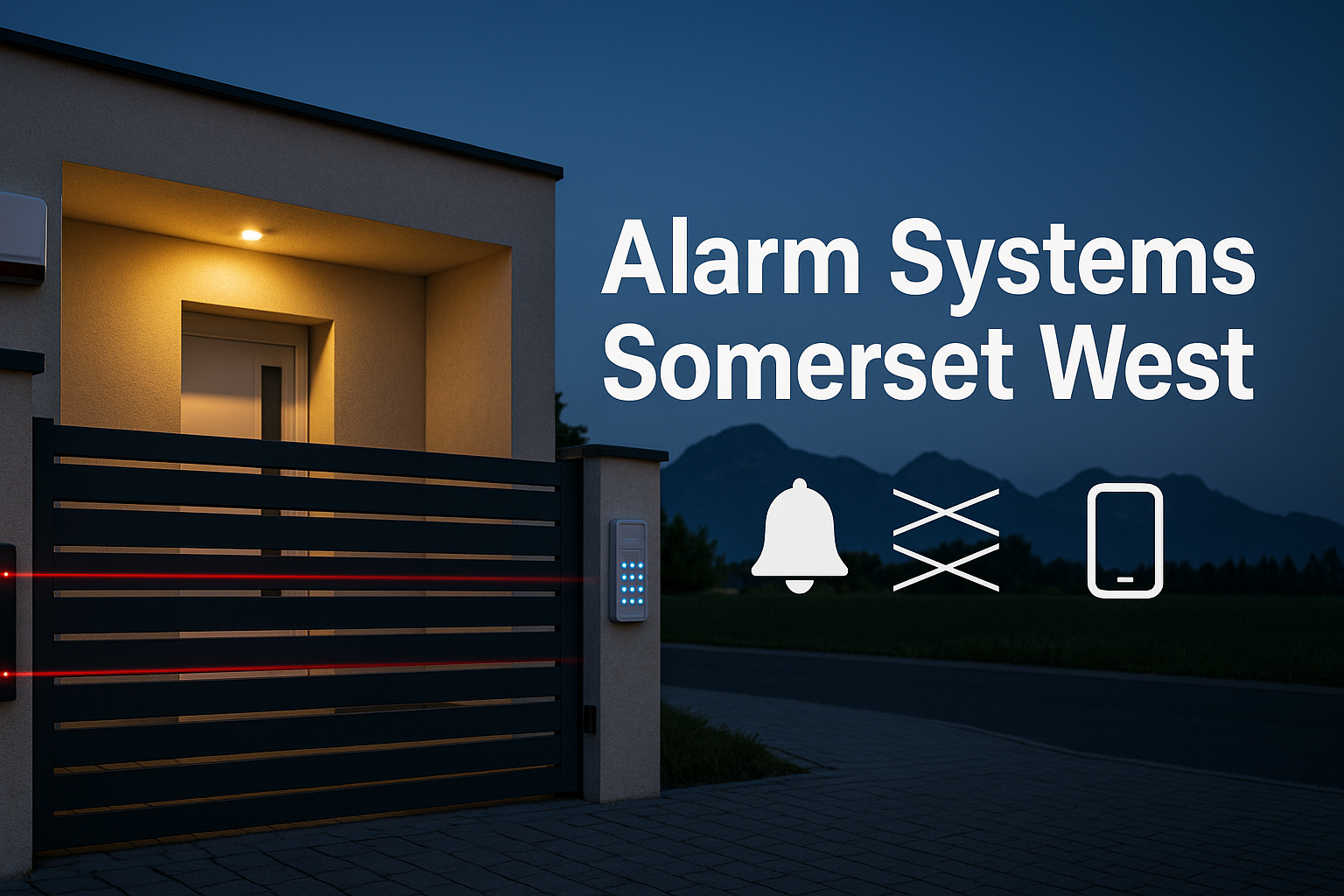
Alarm Systems Somerset West: A Practical Guide

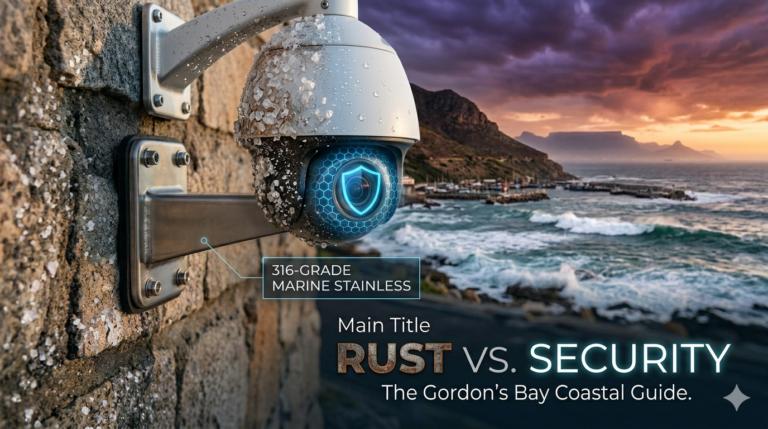
Security in Somerset West is about layered protection that still fits daily life. This guide shows homeowners, estates/HOAs, and small businesses how to specify an alarm that actually works in Helderberg conditions—wind, salt air, and load-shedding included.


Why Alarms Still Matter in Somerset West

Cameras show you what happened; alarms stop it getting worse. A well-planned system:

  • Deters with sirens, strobes and signage.
  • Detects early (especially outdoors) so you react before a door is forced.
  • Documents events for insurers and estate managers.
  • Integrates with access control and CCTV for a single view of risk.

The biggest gains locally come from outdoor early warning, reliable backup power, and clean user management (who armed, when, and why).


The Right Spec: Panels, Zones, and Sensors

Control panel: Choose a hybrid panel (wired + wireless) so you can add devices later without re-cabling.
Keypads & partitions: One keypad near the usual exit; add a second by the master bedroom. Use partitions for Granny flats, offices, or staff quarters.
Zones that matter most locally:

  • Perimeter reeds on doors & windows you actually open.
  • Indoor PIRs for passages and living areas (pet-immune where needed).
  • Outdoor passives/beams for patios, side paths and approach routes.
  • Panic: fixed panic buttons where people gather at night; optional remote panic on selected remotes.
    Siren strategy: One internal, one external, both tamper-proof and audible from the street without becoming a neighbourhood nuisance.

Tip: map zones in plain language (“Kitchen back door reed”) so fault-finding is instant.


Outdoor Beams that Reduce False Alarms

Cape winds and moving foliage cause most nuisance triggers. The fix is correct device choice and placement, not turning sensitivity down.

  • Dual-tech outdoor PIRs resist thermal shifts from wind.
  • Dual-beam photo-electrics across known approach paths (driveway, patio edge, side gate).
  • Creep-zone coverage near walls to catch someone under a sensor.
  • Mounting heights per the datasheet (often 0.8–1.2 m for beams; ±2.2 m for PIRs).
  • Avoid pointing at shrubs, flapping shade cloth, or reflective pools.
  • Test in the windiest conditions you expect; tune now, not after a bad night.

Result: fewer false alarms, earlier warnings, calmer user behaviour.


Load-Shedding: Battery/UPS Sizing that Works

During outages, the alarm must keep running—and reporting.

  1. List device draw (panel, keypads, siren standby, communicators, wireless receivers).
  2. Convert to amps (e.g., 420 mA = 0.42 A).
  3. Runtime rule of thumb:
    Runtime (hours) ≈ (Battery Ah × 0.7) ÷ (Total A)
    The 0.7 factor allows for battery efficiency and age.
  4. Choose the battery to cover your longest expected outage with margin.
    • Small homes: 7–9 Ah often gives 4–6 h depending on load.
    • Larger systems or frequent Stage 4–6: 12–18 Ah or an external DC UPS.
  5. Siren policy: Long siren blasts drain batteries. Use sensible siren time-outs and rely on armed response for follow-through.
  6. Option: Solar trickle or AC-coupled charger for rural gates/outbuildings.

Protect chargers and batteries from heat; replace tired batteries proactively (18–36 months depending on cycles).


Smart App Control, Users, and Monitoring

A good app reduces confusion and speeds response.

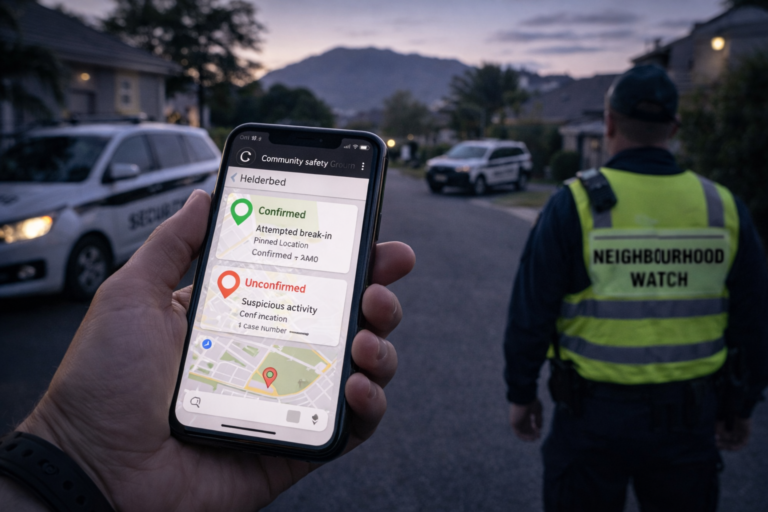
  • Named users & partitions: see exactly who armed/disarmed and when.
  • Push alerts for meaningful events (power fail, alarm, panic).
  • Geo-reminders to arm as you leave.
  • Temporary codes for contractors or short-let guests, then revoke.
  • Professional monitoring integrates armed response, ensuring incidents escalate beyond a phone buzz.

When you’re ready to implement or upgrade, book a survey through Alarm System Installation Somerset West for a specification aligned to your property and risk profile.


Professional Installation & POPIA Basics

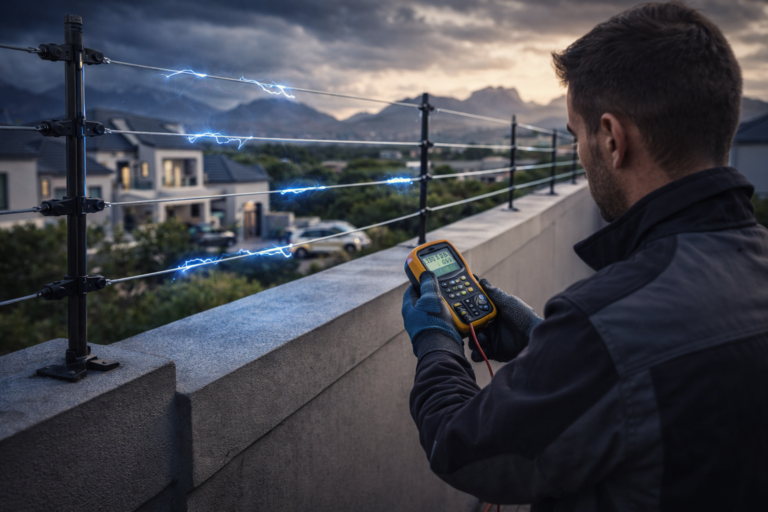
Correct cabling, earth bonding, surge protection and tamper loops aren’t nice-to-haves; they are the difference between a system that lasts and one that fails silently.

POPIA (practical, not legal advice):

  • Display clear signage where required (especially if integrated with CCTV).
  • Maintain an access log for who can view logs or change users.
  • Keep event histories (arming, alarms, panics) for reasonable periods.
  • Limit admin privileges to trusted people; rotate passwords when staff change.

What to Expect from a Site Survey (Checklist)

A proper survey should deliver a clear, itemised plan rather than a box-of-parts quote.

  • Risk review (recent incidents, travel patterns, quiet times).
  • Floor plan with zone map (doors, windows, indoor PIRs).
  • Outdoor approach mapping with beams/dual-tech PIRs.
  • Cable routes and surge/lightning considerations.
  • Battery/UPS calculation and placement.
  • App features & user policy (who gets access to what).
  • Integration options with CCTV and gate control.
  • Maintenance plan (battery replacement, sensor cleaning, annual test).

At-a-Glance Checklist

  • Hybrid panel with spare capacity
  • Named users, partitions where needed
  • Outdoor beams on patio + side path
  • Door/window reeds on actual entry points
  • Internal + external siren, tamper-proof
  • Battery/UPS sized for worst-case outage
  • App with 2FA; alerts for power fail & alarms
  • Professional monitoring and panic options
  • POPIA signage + access controls for logs
  • Annual service and battery replacement cycle

FAQs

How many outdoor devices do I need for a typical family home?
Usually 2–4 beams/PIRs: driveway/patio and at least one side path. Add more for large gardens or multiple entrances.

Can pets live with a modern alarm?
Yes—use pet-immune PIRs, mount correctly, and prefer outdoor early warning so indoor PIRs can be less sensitive.

Will my alarm keep working through Stage 6 load-shedding?
If battery/UPS is sized correctly, yes. We calculate runtime against your device load during the survey.

Do I need monitoring if I have a loud siren and cameras?
Monitoring adds human escalation and armed response—vital when you’re away or asleep. Cameras alone don’t summon help.

Can I add wireless sensors to an old wired panel?
Often, yes. A wireless expander or a panel upgrade gives you flexibility without re-cabling the whole house.
Similar Posts

Leave a Reply

Your email address will not be published. Required fields are marked *