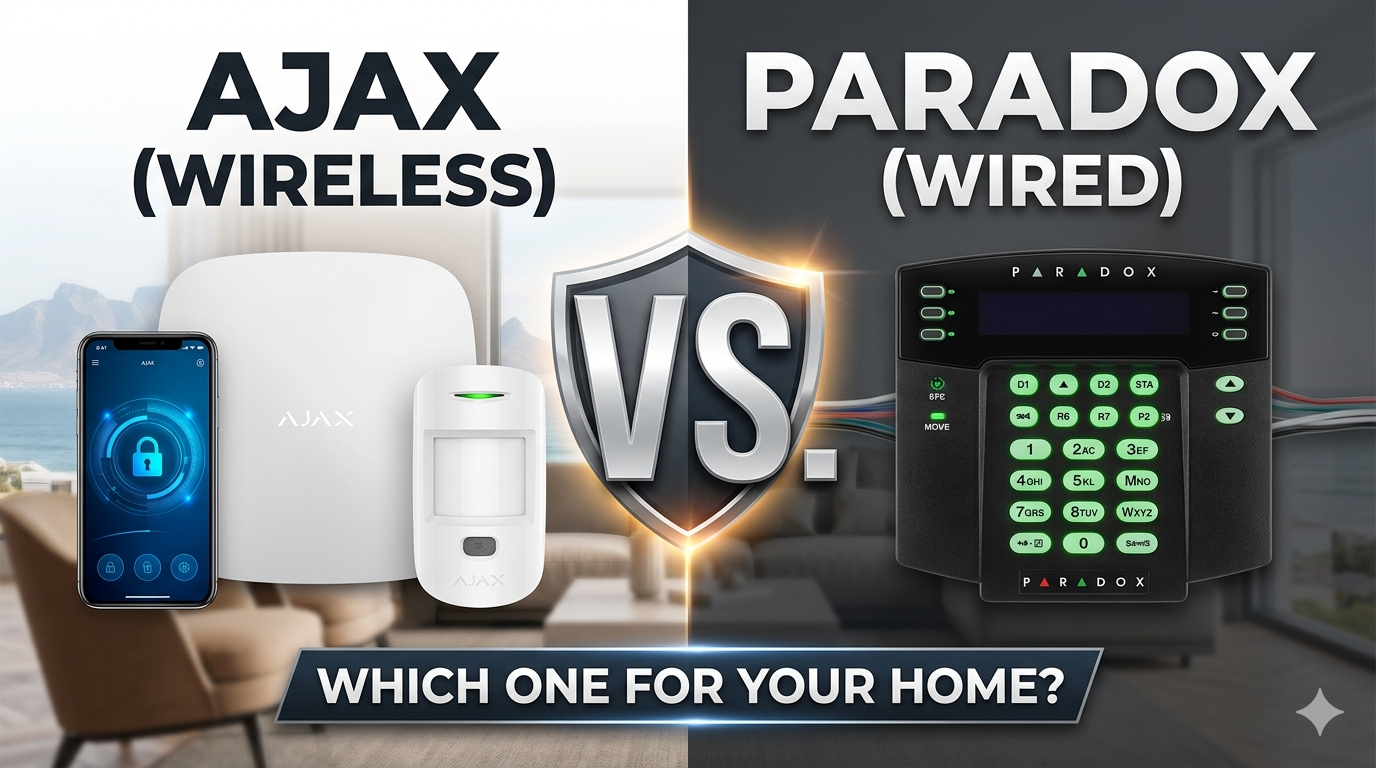
Ajax vs. Paradox Alarm Systems: Which is Right for Your Helderberg Home?
Choosing the right home security system is one of the most important investments you will make for your property. Whether you are overlooking the ocean in Gordon’s Bay, living in a quiet suburban street in Somerset West, or running a property close to the beach in Strand, your home deserves uncompromising protection.
When upgrading an old system or installing a new one, two heavyweights consistently dominate the South African security market: Ajax and Paradox. Both brands offer exceptional security, but they approach property protection from completely different angles.
Here is a breakdown of how Ajax and Paradox compare, helping you decide which system is the perfect fit for your Helderberg home.
The Ajax Alarm System: The Modern, Wireless Marvel
Ajax has completely disrupted the security industry with its forward-thinking approach to wireless technology. Designed with a sleek, minimalist European aesthetic, Ajax components look more like high-end tech gadgets than traditional, industrial security hardware.
Key Benefits of Ajax:
- 100% Wireless Convenience: Because the system communicates entirely via a proprietary, highly secure radio protocol (Jeweller), there is no need to drill holes, lift floorboards, or run unsightly cables through your home. Installation is fast, clean, and non-disruptive.
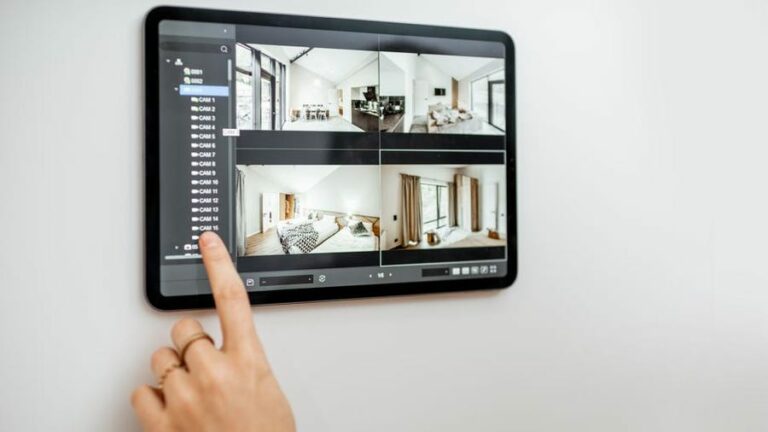
- Industry-Leading Mobile App: The Ajax smartphone app is incredibly user-friendly. It gives you full control to arm or disarm your system, manage user access, and view real-time logs from anywhere in the world.
- Instant Visual Verification: Ajax offers MotionCam detectors that take a rapid series of photos when an alarm is triggered. This allows you to instantly see on your phone whether it’s a real emergency or just a stray cat on the patio.
The Paradox Alarm System: The Robust, Reliable Workhorse
Paradox is a legendary Canadian brand that has been a foundational pillar of South African home security for decades. Known for its rugged reliability and industrial-grade build quality, Paradox is the ultimate wired or hybrid (wired and wireless combined) solution.
Key Benefits of Paradox:
- Uncompromising Wired Reliability: Physical cables are completely immune to signal interference, thick concrete walls, or wireless jamming attempts. This makes Paradox an incredibly stable backbone for large properties, multi-story coastal homes, or complex architectural layouts.
- Deep Customization: Paradox systems are highly modular. They can handle an immense number of security zones, heavy-duty outdoor perimeter beams, and specialized sensors tailored precisely to your property’s layout.
- Built to Last: Paradox hardware is famous for its longevity. It is common to see Paradox panels running flawlessly for over a decade with only routine battery replacements, making it a highly cost-effective, long-term asset.
Head-to-Head Comparison
To help you visualize the core differences, let’s look at how these two industry giants perform side-by-side in real-world South African conditions.
1. Aesthetics & Installation
- Ajax: Wins easily on visual appeal. The sensors are compact, stylish, and available in both black and white to match your interior decor. Because it is wireless, an entire system can often be deployed in just a few hours without disrupting your day.
- Paradox: Uses traditional, functional security styling. While the keypads are modern and clean, a full installation requires running physical cables through your ceilings and conduit. This takes longer to install but creates a permanent, ultra-secure network infrastructure.
2. Load Shedding Resilience
- Ajax: Designed from the ground up for modern power challenges. The central hub features a built-in backup battery that keeps the system running smoothly for up to 16 hours during blackouts. Because the individual sensors run on independent batteries (which last up to 5–7 years), the system remains fully active even during extended power outages.
- Paradox: Relies on a centralized backup battery housed inside the main panel box. As long as a high-quality, properly rated battery is maintained, a Paradox system will keep your home fully protected through standard load shedding blocks.
3. App Integration & Smart Features
- Ajax: Built as an ecosystem first. The app experience is seamless, offering push notifications that arrive in milliseconds. It also supports smart automation plugs, allowing you to turn on lights or open gates directly from the same interface.
- Paradox: Connects to smartphones using IP modules or cellular add-ons via the Insite Gold app. While it provides reliable remote arming, disarming, and status notifications, the interface is more utilitarian compared to the modern, fluid experience of Ajax.
The Verdict: Which One is Right for You?
The right choice depends entirely on your property type, aesthetic preferences, and installation requirements.
Choose Ajax if:
- You want a fast, clean installation with zero visible wiring or drilling.
- You love modern technology and want an intuitive, feature-rich smartphone app.
- You live in a modern townhouse, apartment, or medium-sized suburban home.
Choose Paradox if:
- You are building or renovating a home and can easily run cables behind the walls.
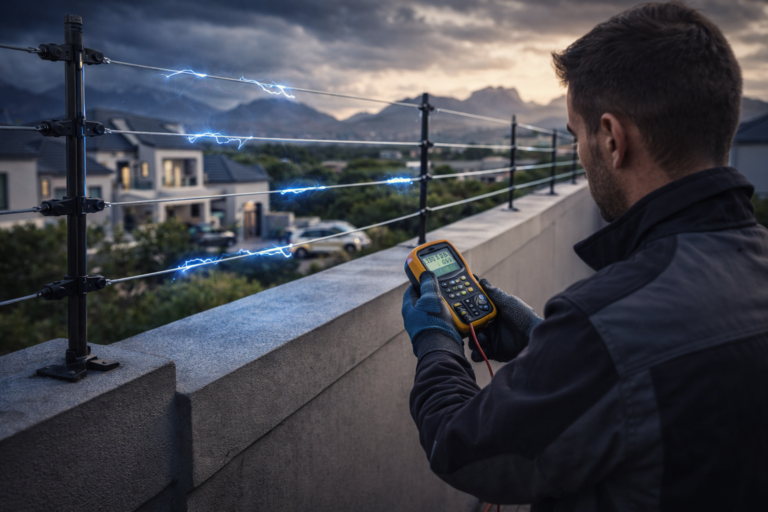
- You have a massive, multi-level property or an expansive plot that requires heavy-duty outdoor perimeter beams.
- You prefer a traditional, battle-tested, wired system that will last for decades.
Protect Your Helderberg Home Today
No matter which system you choose, the true strength of your security relies on expert installation and strategic placement.
Contact Helderberg Security Services today for a personalized, on-site security assessment. Our team will evaluate your property’s vulnerable points and tailor a custom Ajax or Paradox solution to give you total peace of mind.