Do-It-Yourself Alarm Systems: A Money-Saving Hack or a Security Risk?
Introduction
Hey there, you savvy homeowner! Are you looking to bolster your home security but worried about the cost? You might have stumbled upon the term “DIY Alarm Systems” in your search. Well, you’re in luck, because we’re about to dissect this modern trend and weigh its pros and cons. So, buckle up!
Why the Growing Interest in DIY Alarm Systems?
Cost Savings
First and foremost, let’s talk money. Traditional security systems can burn a hole in your pocket. DIY alternatives, on the other hand, offer a more budget-friendly approach. Who doesn’t like saving some bucks, right?
Customization
Remember those build-your-own pizza places? Imagine having that level of customization but for your home security. Sounds enticing, doesn’t it?
Simplicity
No one wants to get lost in a sea of wires and complicated instructions. DIY systems often come with straightforward installation procedures, making them user-friendly.
What Are DIY Alarm Systems?
Components and Functionality
A DIY alarm system typically consists of a control panel, sensors, cameras, and sometimes smart home features. These components work in sync to monitor and secure your living space.
How They Differ from Professional Systems
Professional systems usually involve a team of experts for installation and monitoring. DIY systems? Not so much. It’s more of a solo mission.
Pros of DIY Alarm Systems
Affordability
Remember that hole in your pocket we were talking about? DIY systems can help you avoid that financial abyss. They are generally less expensive than their professional counterparts.
Easy Installation
Imagine setting up a tent. If you can do that, you can probably install a DIY alarm system. Most systems come with easy-to-follow instructions and require minimal tools.
Flexibility
Want to add a camera in the backyard? No problem! DIY systems are modular, allowing for easy upgrades.
Cons of DIY Alarm Systems
Limited Security Features
While DIY systems are nifty, they often lack the advanced features that professional systems boast, such as 24/7 monitoring.
The Allure of 24/7 Monitoring
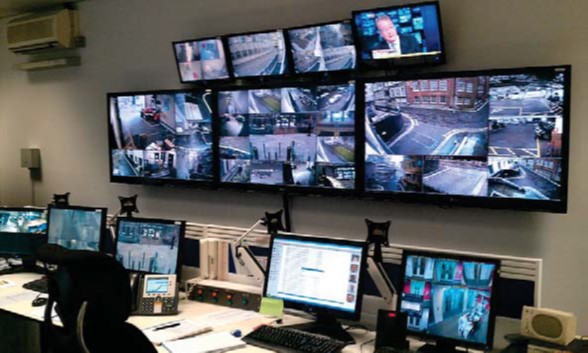
When you opt for a professional security system, one of the standout features is often 24/7 monitoring. Imagine having a virtual security guard who never sleeps, takes breaks, or goes on vacation. This constant surveillance is managed in a control center where trained professionals monitor your home’s security feeds in real-time. The moment an alarm is triggered—be it a window sensor, a door alarm, or a smoke detector—these experts can immediately evaluate the situation and take appropriate actions. This could range from contacting you to verify the situation to directly alerting emergency services. This level of attentiveness is something DIY systems usually can’t offer.
The Sophistication of Advanced Features
Beyond constant monitoring, professional security systems often come with a slew of advanced features that are designed to offer a comprehensive security solution. We’re talking about things like facial recognition, vehicle detection, and even pet-friendly motion sensors that won’t be triggered by your furry friends. Some also include smart home integration, where you can control various home devices right from your security system’s control panel or mobile app. Imagine being able to lock your doors, adjust your home’s thermostat, or even close your garage, all from one interface. DIY systems are catching up in this arena, but they still have a long way to go to match the sophistication of professionally installed systems.
The Assurance of Expert Installation and Maintenance
Another aspect to consider is the installation process. With professional systems, experts come to your home to set everything up, ensuring that all devices are installed correctly and are functioning as they should. They can also conduct routine maintenance checks and software updates, which can be crucial for the longevity and reliability of your system. While DIY systems are designed to be as user-friendly as possible, there’s always a risk of human error. Whether it’s placing a sensor in a less-than-ideal location or failing to update your system’s software, these mistakes could potentially compromise your home’s security.
So, while DIY systems have their merits, they often lack these advanced features and assurances that come with professional systems. This isn’t necessarily a deal-breaker, but it’s something you should consider when making your choice.
Risk of Human Error
Ever tried assembling a piece of furniture and ended up with extra screws? Human error is a real possibility when setting up your DIY alarm system.
The Mystery of “Extra Parts”
Ah, the classic scenario: You’re assembling a piece of furniture, and when you think you’re done, you notice you have some “extra” screws and bolts. While that might just lead to a wobbly table, when it comes to security systems, human error can have more serious consequences. Imagine setting up a door sensor and leaving a gap just wide enough that it doesn’t trigger the alarm when the door is opened. Or perhaps you mount a security camera but aim it in a direction that leaves a blind spot. These seemingly minor oversights could potentially offer an intruder a free pass into your home.
The Complexity of Connectivity
In today’s world, DIY alarm systems often come with smart features that require integration with your home network. You have to set up Wi-Fi connections, pair devices, and maybe even configure some settings in an app on your smartphone. While this sounds simple in theory, there’s room for error. Incorrectly configuring your network settings can leave your security system vulnerable to cyberattacks. Furthermore, connectivity issues can result in false alarms or failure to notify you when an actual breach occurs. The complexity of setting up a connected system multiplies the points where human error can creep in.
The Risk of DIY Troubleshooting
When things go awry with a DIY system, you’re often the technician on call. Many DIY security systems offer online guides and customer support, but there’s nothing like having a trained professional diagnose and fix problems. In a DIY scenario, troubleshooting often involves a lot of trial and error. While you’re fumbling through support forums and how-to videos, your home remains vulnerable. And even if you successfully fix one issue, there’s a chance you might inadvertently create another, like disabling a key feature or deleting important settings.
So while DIY alarm systems can be convenient and cost-effective, they do carry the risk of human error, from incorrect installation to troubleshooting mishaps. It’s vital to be aware of these risks as you consider whether a DIY approach is right for your home security needs.
Limited Support and Warranties
Most DIY kits offer limited customer support and warranties. So, if something goes wrong, you’re pretty much on your own.
The Reality of Limited Customer Support
Most professional security systems come with robust customer support as part of the package. If you run into an issue, a quick call to their 24/7 helpline can usually solve your problem. With DIY kits, the situation is often starkly different. While some companies offer decent customer support, it’s generally not at the level you’d find with a professional service. You might get email support or have access to an FAQ section on their website, but instant help is often not an option. This means that if something goes wrong in the middle of the night, there’s a good chance you’ll be navigating the issue on your own, at least until business hours resume.
The Shortcomings of Warranties
Another factor to consider is the warranty. Professional alarm systems often come with extended warranties and guarantees that cover both the hardware and the installation. In some cases, they even offer guarantees against theft. DIY systems, on the other hand, usually come with limited warranties that cover just the hardware—and even then, only for a limited period. So, if a sensor malfunctions after the warranty period, you’ll likely have to pay out-of-pocket for a replacement. Moreover, because you installed the system yourself, there’s no coverage for installation errors you might have made, which could lead to more costs down the line.
The Dilemma of DIY Repairs
When a component of a professional system malfunctions, a technician usually comes over to fix or replace it, often at no extra cost if it’s covered under warranty. With a DIY system, you’re the technician. This means that not only do you have to diagnose the problem yourself, but you’ll also have to order replacement parts and install them. And while doing so, there’s always the risk of making a mistake and further complicating the situation.
So, while DIY alarm systems have their merits, it’s crucial to consider the limitations in customer support and warranties. These factors could have a significant impact on your long-term experience and the overall reliability of your home security system.
Making the Right Choice
Consider Your Needs
Are you looking for basic security or the Fort Knox experience? Assess your needs before diving in.
Assess the Risks
If you live in a high-crime area, a DIY system might not cut it. Consider the risks before making a decision.
Conclusion
DIY alarm systems offer an affordable and customizable option for home security. However, they come with their own set of limitations. The key is to weigh the pros and cons and make an informed choice. So, what will it be: a money-saving hack or a security risk?