Why Your Business Can’t Afford to Skimp on Security System Installation
Introduction
The Importance of Security Systems in Business
Security isn’t a luxury; it’s a necessity. If you’re running a business, whether it’s a small startup or a large corporation, safeguarding your assets, employees, and data is paramount. So why do some companies skimp on security system installations?
The Scope of the Article
In this article, we’ll explore why cutting corners on your security system is a risk you simply can’t afford to take.
Why Security Systems are Essential
Protecting Assets
Assets aren’t just your products or equipment; they’re also your intellectual property and confidential information. A robust security system acts as the first line of defense against unauthorized access and theft.
Employee Safety
Your employees are your most valuable resource. It’s your responsibility to provide a safe working environment, and that’s where a comprehensive security system comes into play.
Data Protection
In the digital age, data breaches can be devastating. Security systems today go beyond physical barriers, integrating cybersecurity measures to protect sensitive data.
Common Security Threats
Physical Theft
Sure, you’ve got locks on the doors, but what about security cameras or motion detectors? Physical theft is an ever-present risk, and without adequate security, you’re leaving your business exposed.
Cyberattacks
From ransomware to phishing, cyber threats are evolving. A holistic security system should include firewalls, antivirus software, and other cybersecurity measures.
Vandalism
It may seem like a minor issue, but vandalism can lead to significant costs and may be indicative of larger security lapses.
Types of Security Systems
Surveillance Cameras
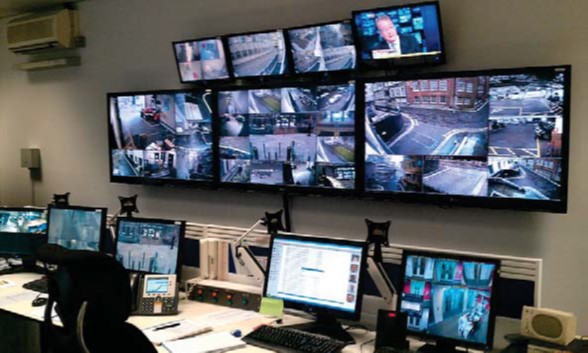
Cameras act as both a deterrent to potential criminals and a means of collecting evidence should an incident occur.
Access Control Systems
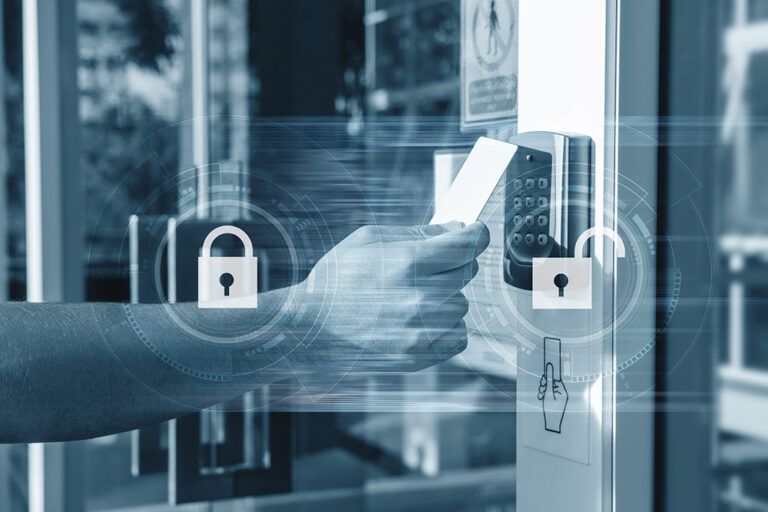
Who goes in and out of your premises? Access control systems can give you that data, allowing only authorized individuals to enter specific areas.
Intrusion Detection
Alarms and sensors can detect unauthorized entry, providing an additional layer of security.
Cost vs. Benefit Analysis
Short-term Expenses
While it’s tempting to go for cheaper options, consider the long-term risks. A low-quality system may require frequent repairs and updates, adding to the cost.
Long-term Gains
Investing in a high-quality system can save you money in the long run through reduced theft, lower insurance premiums, and avoiding fines for inadequate security measures.
The Risk of Cheap Systems
Unreliable Technology
Cheaper systems often mean outdated or unreliable technology, which could leave you vulnerable.
Lack of Features
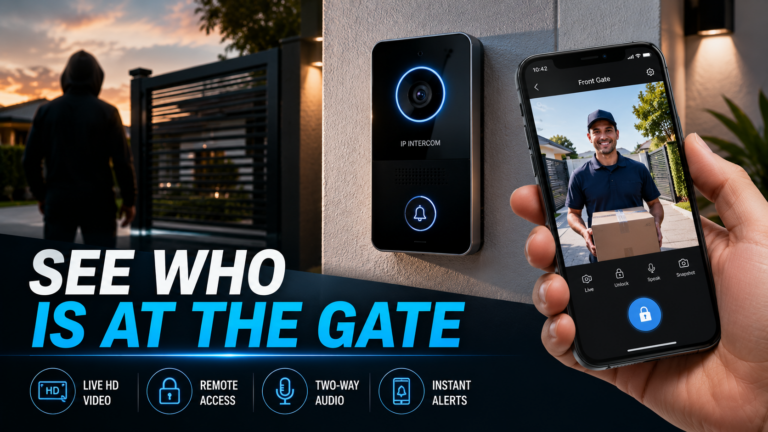
You get what you pay for. A cheaper system may lack advanced features like remote monitoring or automatic alerts, potentially compromising your security.
Case Studies
Businesses That Paid the Price for Skimping
Several businesses have suffered significant losses, both financial and reputational, due to inadequate security systems.
Success Stories
On the flip side, companies that invested in robust security systems have enjoyed peace of mind and financial benefits.
Legal Consequences of Poor Security
Fines
Regulatory bodies can impose hefty fines on businesses that fail to meet security standards.
Lawsuits
Inadequate security can also make you susceptible to lawsuits, further draining your resources.
Reputational Damage
Customer Trust
Once lost, trust is hard to regain. A security breach can severely impact how customers view your business.
Brand Image
Your brand’s reputation is invaluable. A tarnished image can have long-lasting consequences.
Insurance Benefits
Lower Premiums
A better security system can result in lower insurance premiums, making it a smart investment.
Better Coverage
Insurance companies are more likely to offer comprehensive coverage if they see you’ve taken security seriously.
Smart Investments
Future-Proofing
Choosing a system that can adapt to emerging technologies is a wise decision.
Scalability
As your business grows, so should your security measures. Opt for systems that can scale with your needs.
Choosing the Right Vendor
Research
Don’t just go for the first vendor you find. Research and compare to make an informed decision.
Reviews
Customer reviews can provide valuable insights into the reliability and effectiveness of a security system.
Implementation Tips
Training
Your employees should be trained to effectively use and manage the security system.
Regular Updates
Keeping your system updated is crucial for maintaining optimal performance and security.
Conclusion
Skimping on security is akin to playing Russian roulette with your business. The risks far outweigh the short-term savings. Invest in a robust, reliable security system to protect your assets, data, and most importantly, your reputation.